Optimal Timing for Commercial Gutter Installations
Determining the optimal time for commercial gutter installations depends on various factors such as weather conditions, project scope, and operational schedules. Typically, periods with mild and dry weather are preferred to ensure proper installation and adhesion. Scheduling during seasons with minimal precipitation reduces the risk of delays and ensures the longevity of the gutters.
Spring and early fall are often ideal due to moderate temperatures and lower rainfall, facilitating efficient installation processes.
Avoid periods of heavy rain, snow, or extreme heat, which can compromise installation quality and safety.
Coordinate installations during off-peak hours to minimize disruption to business operations.
Allow sufficient lead time for planning and material procurement to prevent delays.
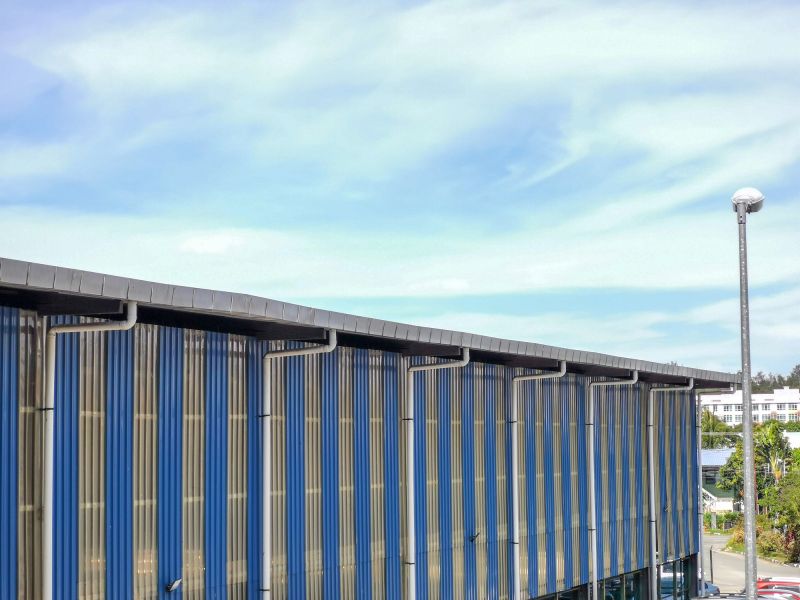
A large commercial building undergoing gutter installation.
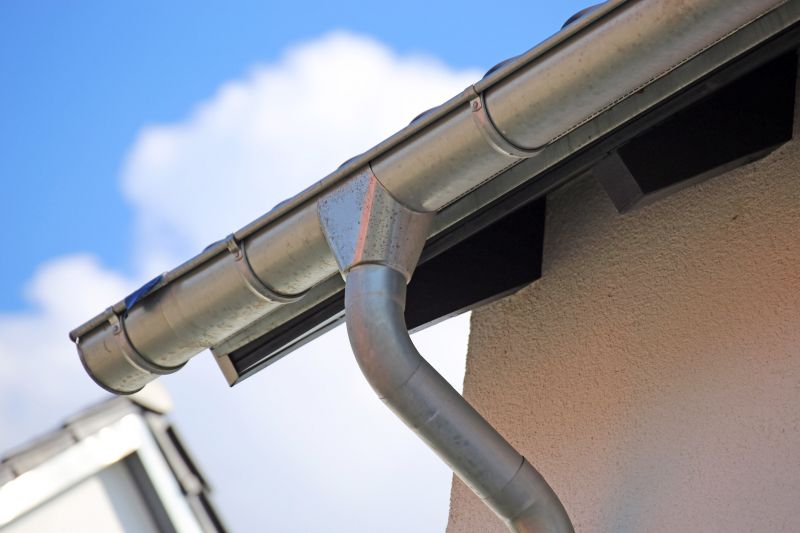
Close-up of gutter sections and fittings during installation.
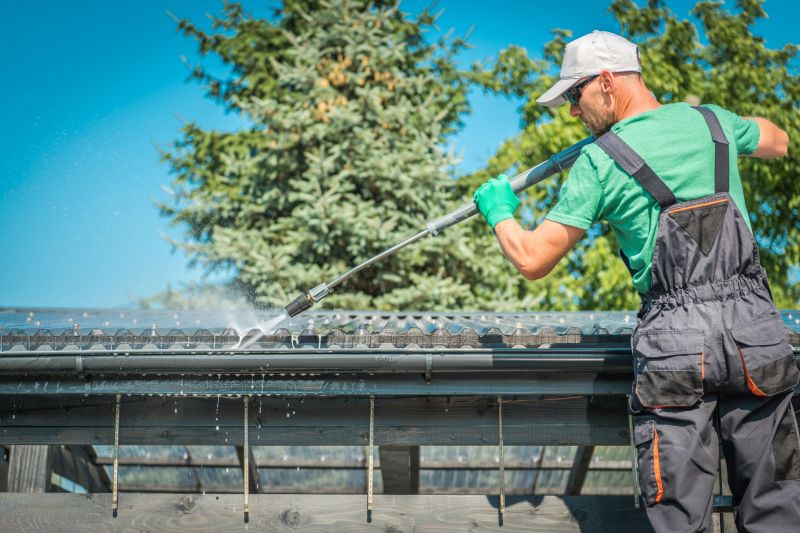
Workers using specialized tools on a commercial roof.
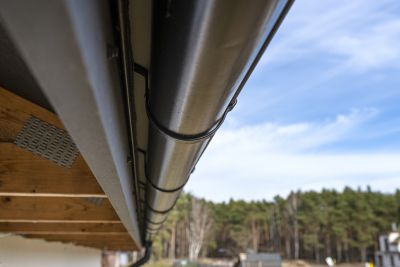
Ways to make Commercial Gutter Installations work in tight or awkward layouts.
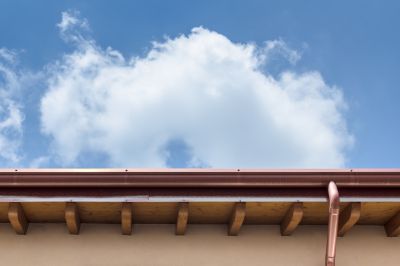
Popular materials for Commercial Gutter Installations and why they hold up over time.
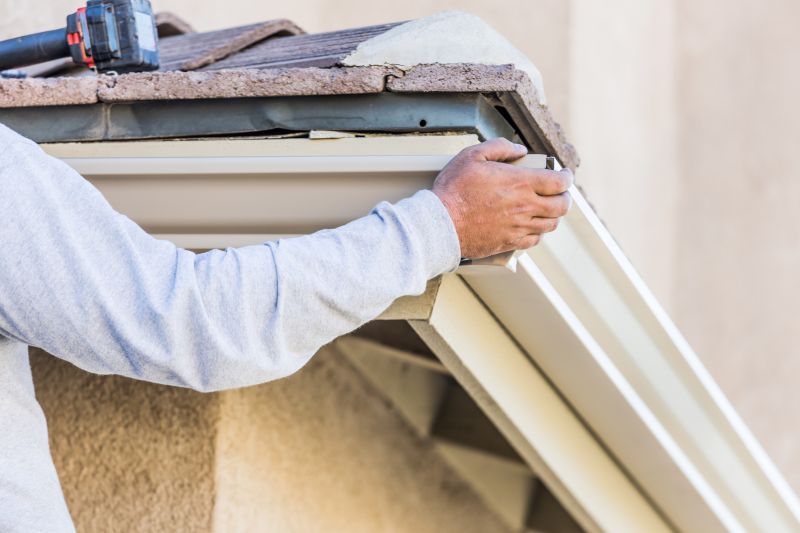
Simple add-ons that improve Commercial Gutter Installations without blowing the budget.
Commercial gutter installations are a critical component of building maintenance, protecting structures from water damage and structural deterioration. Properly installed gutters direct rainwater away from foundations, walls, and landscaping, reducing erosion and water intrusion risks. The process involves assessing the building’s layout, selecting appropriate materials, and ensuring secure attachment to withstand weather elements.
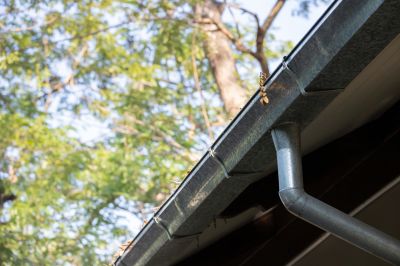
Inspecting existing gutter systems before replacement.
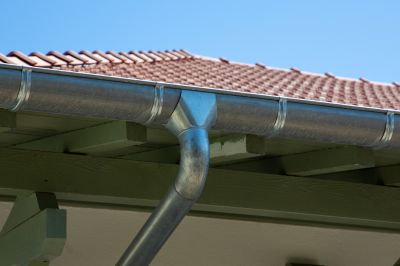
Seamless gutters being installed on a commercial building.
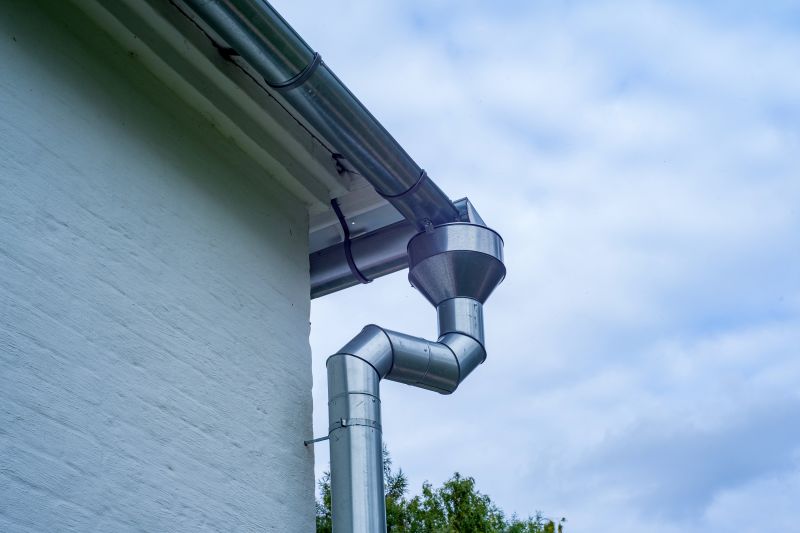
Connecting downspouts to ensure efficient water flow.
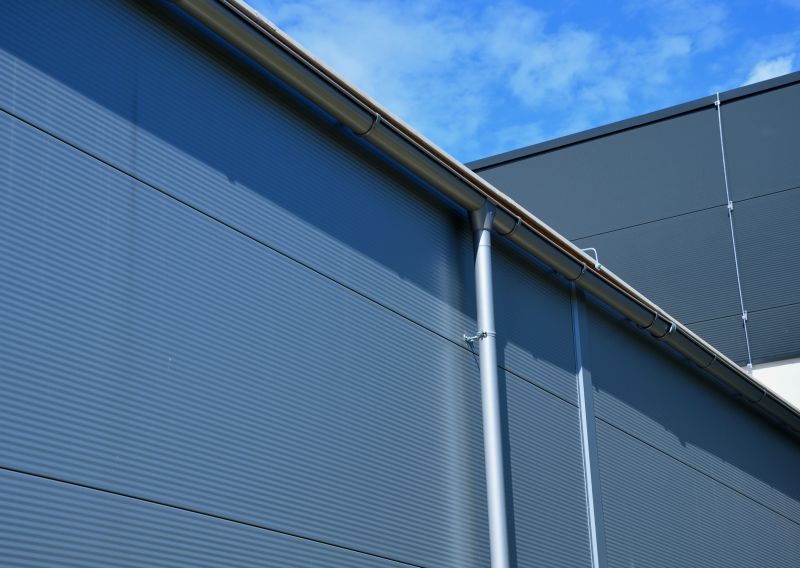
Completed gutter installation on a commercial property.
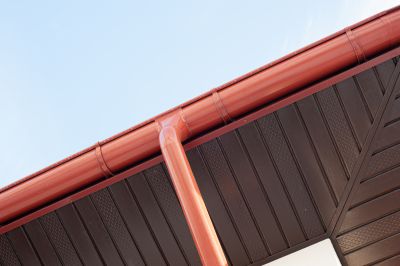
High-end options that actually feel worth it for Commercial Gutter Installations.
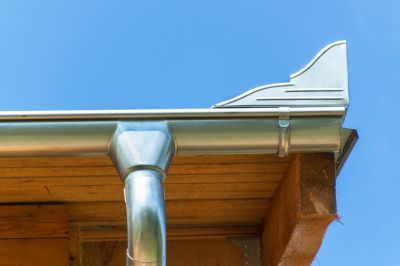
Finishes and colors that play nicely with Commercial Gutter Installations.
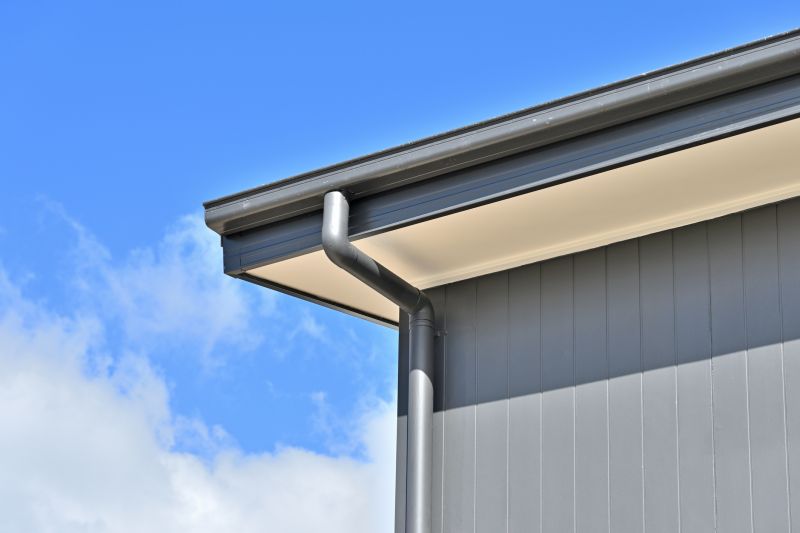
Little measurements that prevent headaches on Commercial Gutter Installations day.

A 60-second routine that keeps Commercial Gutter Installations looking new.
| Season | Advantages |
|---|---|
| Spring | Moderate weather allows for efficient installation and curing. |
| Summer | Longer daylight hours facilitate work, but avoid peak heat. |
| Fall | Ideal due to mild temperatures and lower precipitation. |
| Winter | Generally less suitable due to snow, ice, and cold temperatures. |
| Dry months | Reduce delays and ensure adhesion of materials. |
Choosing the appropriate time for commercial gutter installation can significantly impact project success and durability. Proper planning ensures that the installation process is smooth, and the gutters perform effectively over time. Consulting with experienced professionals can help identify the best window based on local climate patterns and building schedules.
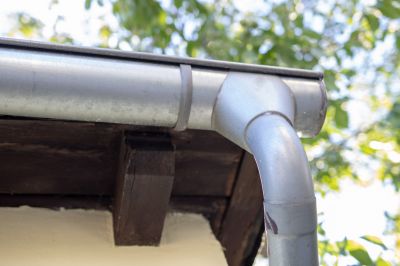
Gutters functioning on a large commercial roof during rain.

Tools used for cleaning and inspecting gutters.
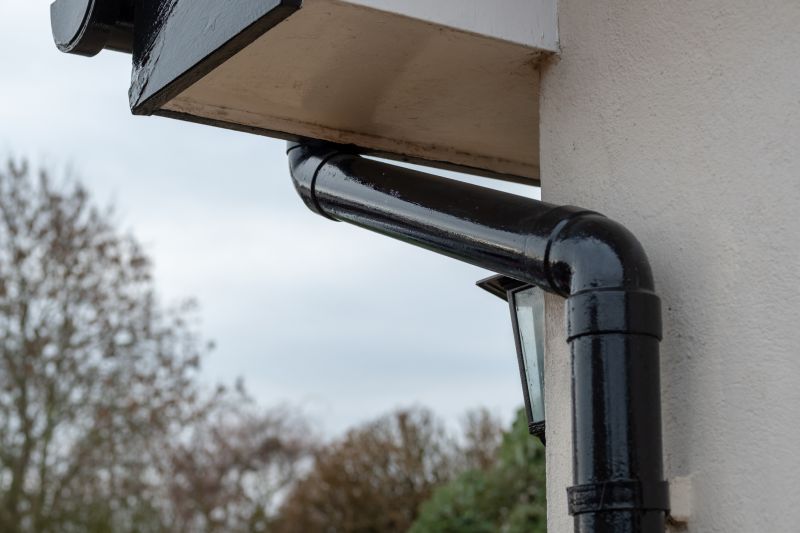
Downspouts directing water away from the building.
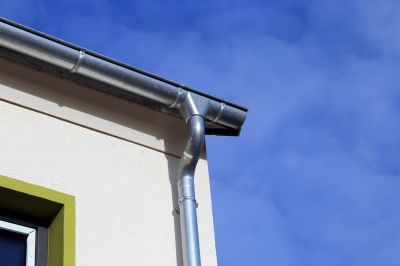
A commercial building with newly installed gutters.
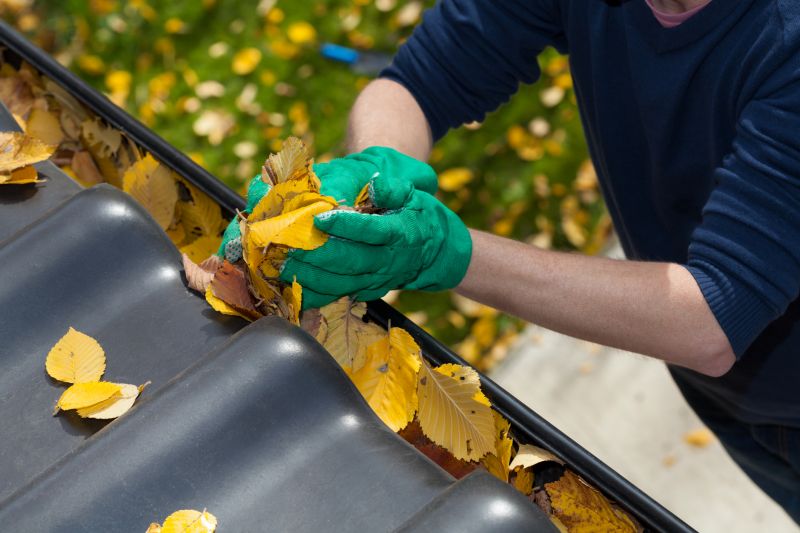
A frequent mistake in Commercial Gutter Installations and how to dodge it.

Small tweaks to make Commercial Gutter Installations safer and easier to use.

Lower-waste or water-saving choices for Commercial Gutter Installations.
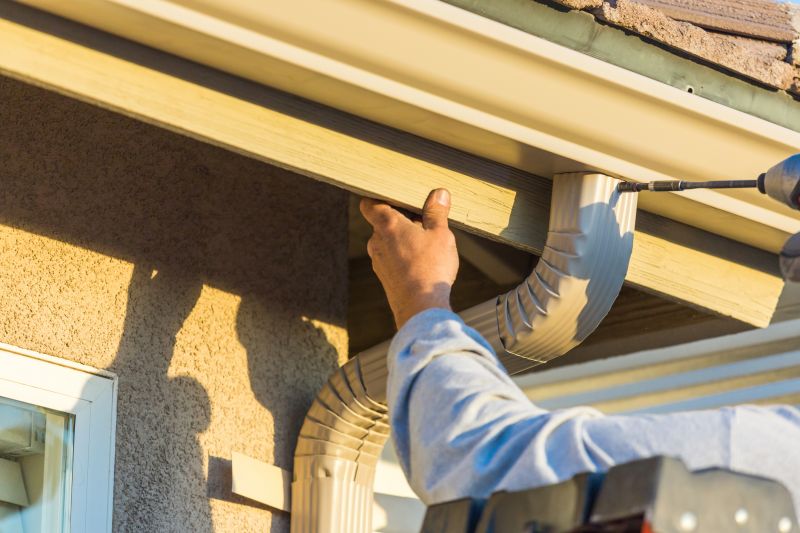
The short, realistic tool list for quality Commercial Gutter Installations.
Interested parties are encouraged to contact for further information or to schedule an assessment. Proper timing and professional installation can ensure the longevity and effectiveness of commercial gutter systems, safeguarding building structures and surrounding landscapes.