
Top Commercial Gutter Products for Professional Installers
Browse industry-leading tools and materials that support high-quality, reliable gutter installations for commercial properties.
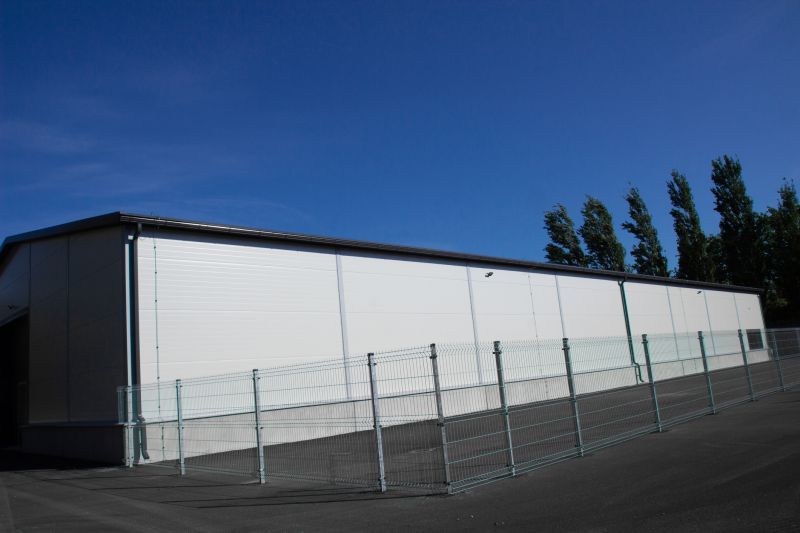 Commercial gutter installations are a critical component of building maintenance, helping to channel rainwater away from structures and prevent water damage. Selecting the appropriate products for these installations requires careful consideration of durability, capacity, and compatibility with building specifications. Gutter systems designed for commercial use often feature larger profiles and stronger materials to accommodate higher water flow volumes and harsher environmental conditions.
Top Overall Option
Commercial Gutter System Components
A comprehensive commercial gutter system typically includes durable materials like heavy-duty aluminum or steel, with features such as reinforced hangers, seamless fabrication, and corrosion-resistant finishes. These components are designed to handle high water volumes and harsh weather conditions, providing a reliable solution for large-scale installations. Modular options allow for customization to fit various building sizes and architectural styles, making them suitable for diverse commercial applications.
Types of Products For Commercial Gutter Installations
Seamless Aluminum Gutters
Long-lasting and low-maintenance, seamless aluminum gutters are popular for their corrosion resistance and streamlined appearance.
Steel Gutters
Heavy-duty steel gutters offer strength and durability, suitable for high-capacity water flow and demanding environments.
Zinc Gutters
Zinc gutters provide excellent corrosion resistance and a distinctive aesthetic, often used in historic or architecturally significant buildings.
Gutter Hangers and Brackets
Essential for secure installation, these components support the gutter system and help maintain proper alignment.
Downspouts and Elbows
Channels water from the gutters to drainage points, with various angles and sizes to accommodate different building layouts.
Gutter Strainers and Leaf Guards
Prevent debris accumulation, reducing maintenance and potential clogging issues.
End Caps and Connectors
Finish gutter runs securely and connect sections seamlessly for a continuous water flow path.
Gutter Sealants and Caulks
Ensure watertight joints and prevent leaks at connections and seams.
Expansion Joints
Allow for thermal expansion and contraction, reducing stress on the gutter system.
Rainwater Diverters
Redirect water flow away from building foundations or specific areas needing protection.
Gutter Cleaning Tools
Assist in maintenance, keeping gutters clear of debris for optimal performance.
Gutter Support Brackets
Provide additional reinforcement, especially for long spans or heavy loads.
Custom Fabricated Gutter Sections
Tailored to specific building dimensions and architectural requirements for a perfect fit.
Gutter Covers and Screens
Help prevent leaves and debris from entering the gutter system, reducing cleaning frequency.
Gutter Flashing
Protects joints and transitions, preventing water infiltration at critical points.
Gutter Extensions
Extend the reach of downspouts to direct water further away from the building.
Drainage Catch Basins
Collect and disperse water efficiently at the end of downspouts, reducing erosion.
Popular Choices
Widely used for their corrosion resistance and ease of installation, suitable for a variety of commercial settings.
Preferred for high durability and strength, especially in areas with heavy rainfall or demanding conditions.
Popular for secure attachment and ease of installation across multiple commercial projects.
Commonly selected to improve water diversion and protect building foundations.
Trending for maintenance reduction, helping keep gutters clear of debris.
Frequently used to complete gutter runs and prevent water leakage.
Chosen for their strength and ability to support large gutter spans.
Popular for sealing joints and preventing leaks in high-capacity systems.
In trend for directing water away from sensitive areas, especially in high-traffic zones.
Essential for routine maintenance, ensuring proper water flow.
Increasingly chosen for unique building designs requiring tailored solutions.
Popular for additional reinforcement in large commercial installations.
A common choice for their minimal leak potential and aesthetic appeal.
Trending for reducing debris buildup and maintenance efforts.
Often selected to manage large volumes of water at critical points.
Preferred for their robustness and capacity to handle high water flow.
Used to protect joints and transitions, ensuring system integrity.
Chosen for accommodating thermal movement in large systems.
Materials commonly used in commercial gutter systems include aluminum, steel, and zinc, each offering distinct advantages such as corrosion resistance, strength, and longevity. Proper installation components like hangers, brackets, and sealants are essential to ensure the system functions effectively over time. Additionally, accessories such as leaf guards and strainers can help reduce maintenance needs by preventing debris buildup.
When choosing products for commercial gutter systems, it is important to evaluate factors like load capacity, ease of installation, and compatibility with existing building infrastructure. Customizable options are often available to fit specific architectural requirements or unique site conditions. Investing in high-quality components can contribute to a more reliable and long-lasting gutter system, ultimately protecting the building’s foundation and exterior surfaces.
Commercial gutter systems are also available in various configurations, including seamless gutters, sectional options, and specialized fittings. Seamless gutters are popular for their reduced leak potential and streamlined appearance, while sectional systems may offer easier customization and repair. Properly selected products can facilitate efficient water management, reduce maintenance costs, and improve overall building performance.
Key Buying Considerations
- Material durability and corrosion resistance based on climate and exposure.
- Load capacity to handle heavy rainfall and debris accumulation.
- Compatibility with existing building infrastructure and architectural style.
- Ease of installation and availability of professional support or DIY options.
- Maintenance requirements and availability of cleaning tools or debris prevention accessories.
- Seamless versus sectional systems depending on customization needs.
- Compatibility of accessories such as downspouts, brackets, and sealants.
- Potential for expansion or future modifications to the system.
- Weather resistance features like reinforced seams and protective coatings.
- Cost considerations balanced with quality and longevity.
- Availability of warranties or service support.
- Design options for aesthetic integration with building exteriors.
- Compatibility with other drainage components like catch basins and diverters.
- Ease of sealing joints and preventing leaks over time.
- Compliance with local building codes and standards.